From £45 per order of simple parts
Laser cutting
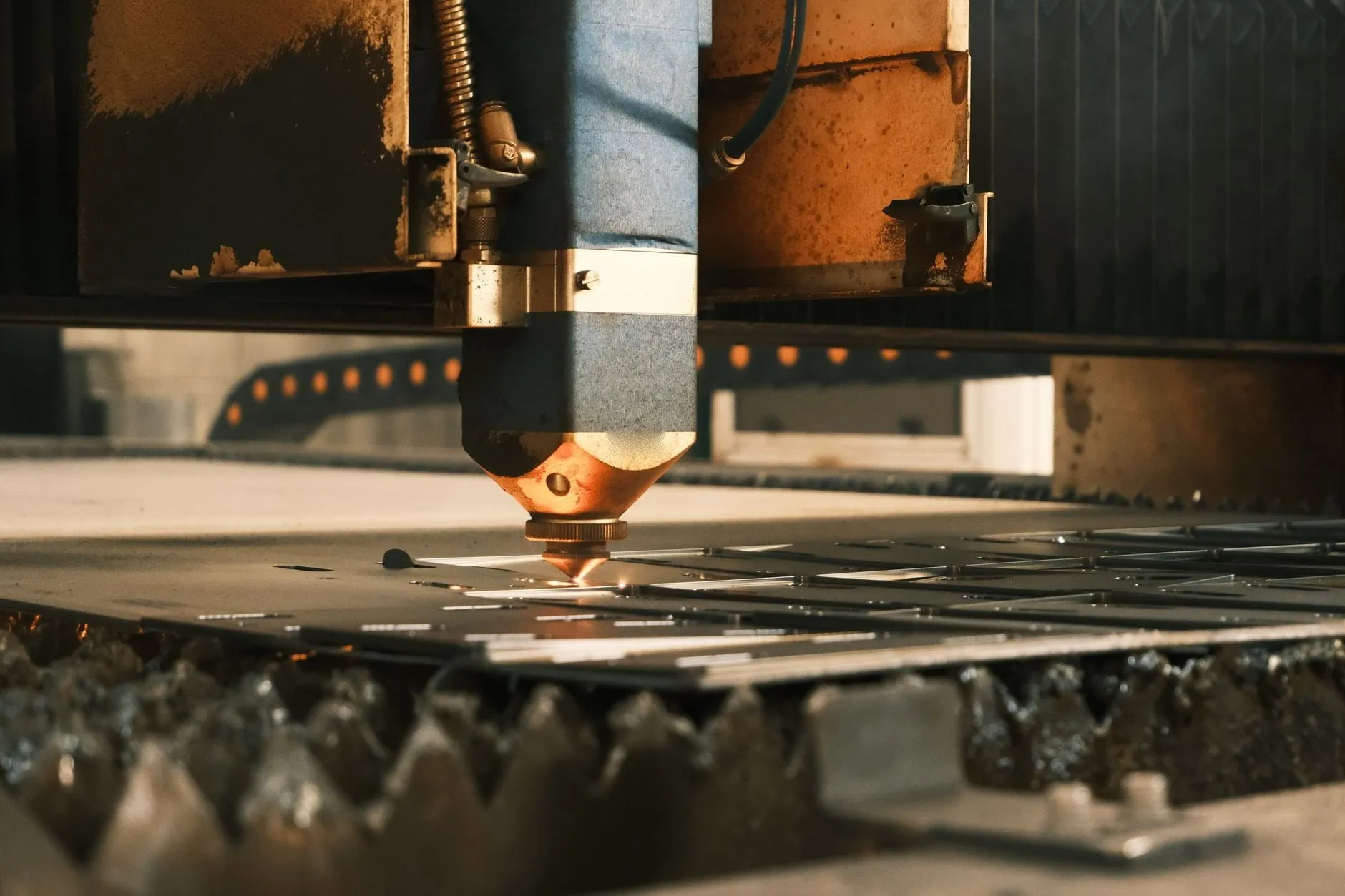
A 6 kW fibre laser on a 3,000 × 1,500 mm bed. Mild steel to 25 mm, stainless to 20 mm, aluminium to 16 mm, cut to ±0.1 mm straight from your DXF.
- Price from
- £45
- Lead time
- 5 working days
- Quote back
- 2 working days
Specification
What the machines take.
- Machine
- 6 kW fibre laser, automatic sheet changer
- Bed
- 3,000 × 1,500 mm
- Mild steel
- 0.8 to 25 mm
- Stainless steel
- 0.8 to 20 mm
- Aluminium
- 0.8 to 16 mm
- Tolerance
- ±0.1 mm on profile, ±0.2 mm on holes
- Files
- DXF, DWG, STEP, dimensioned PDF
How we do it
The laser is where most jobs start, and it is the quickest thing we do. A clean DXF sent before ten in the morning is usually nested, programmed and cut the same week, and parts ship five working days after you approve the price.
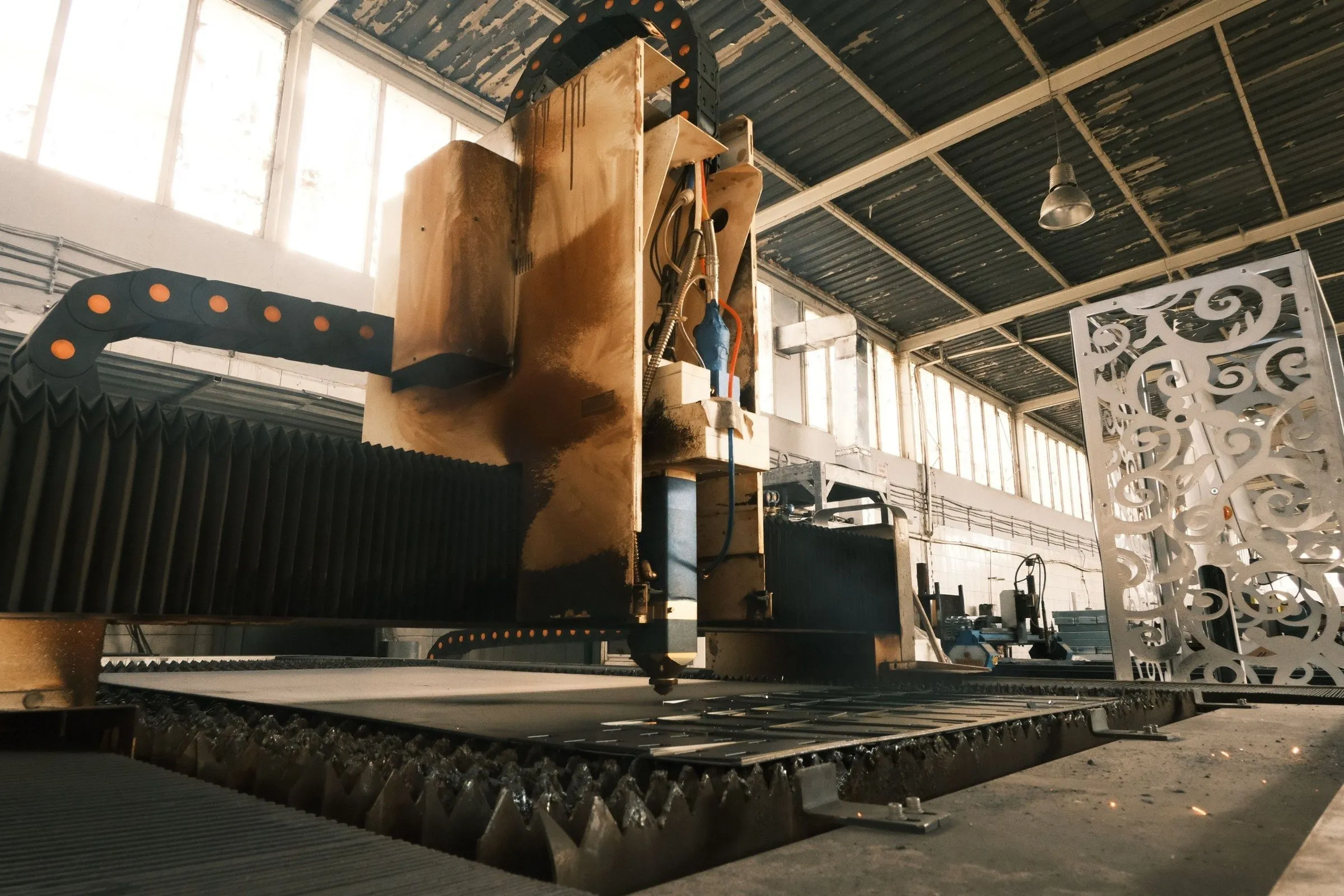
We run a 6 kW fibre source on a 3,000 × 1,500 mm bed with an automatic sheet changer, so the machine keeps cutting through the night shift. Nitrogen assist on stainless and aluminium leaves a bright, oxide-free edge that powder coats and welds without extra prep.
Every part is deburred and marked with your part number before it leaves the bay. If you need a finished component rather than a flat blank, the press brake, the welding bays and the powder line are twenty metres away.
Included as standard
- Nesting and programming, free on repeat parts
- Deburred edges on every part
- Parts marked with your part number
- Offcuts returned on request
“They built the balustrade to the fold detail we actually drew, not the nearest stock section. Samples on the bench a week before anything was cut.”
Questions about laser cutting
Can you cut from my own material?
Yes, if it arrives flat, clean and with its mill certificate. Free-issue material is cut at the machine rate only.
What is the smallest hole you can cut?
Roughly the material thickness, down to 1 mm. Smaller than that, we drill after cutting.
Often ordered together
Other services
Press-brake bending
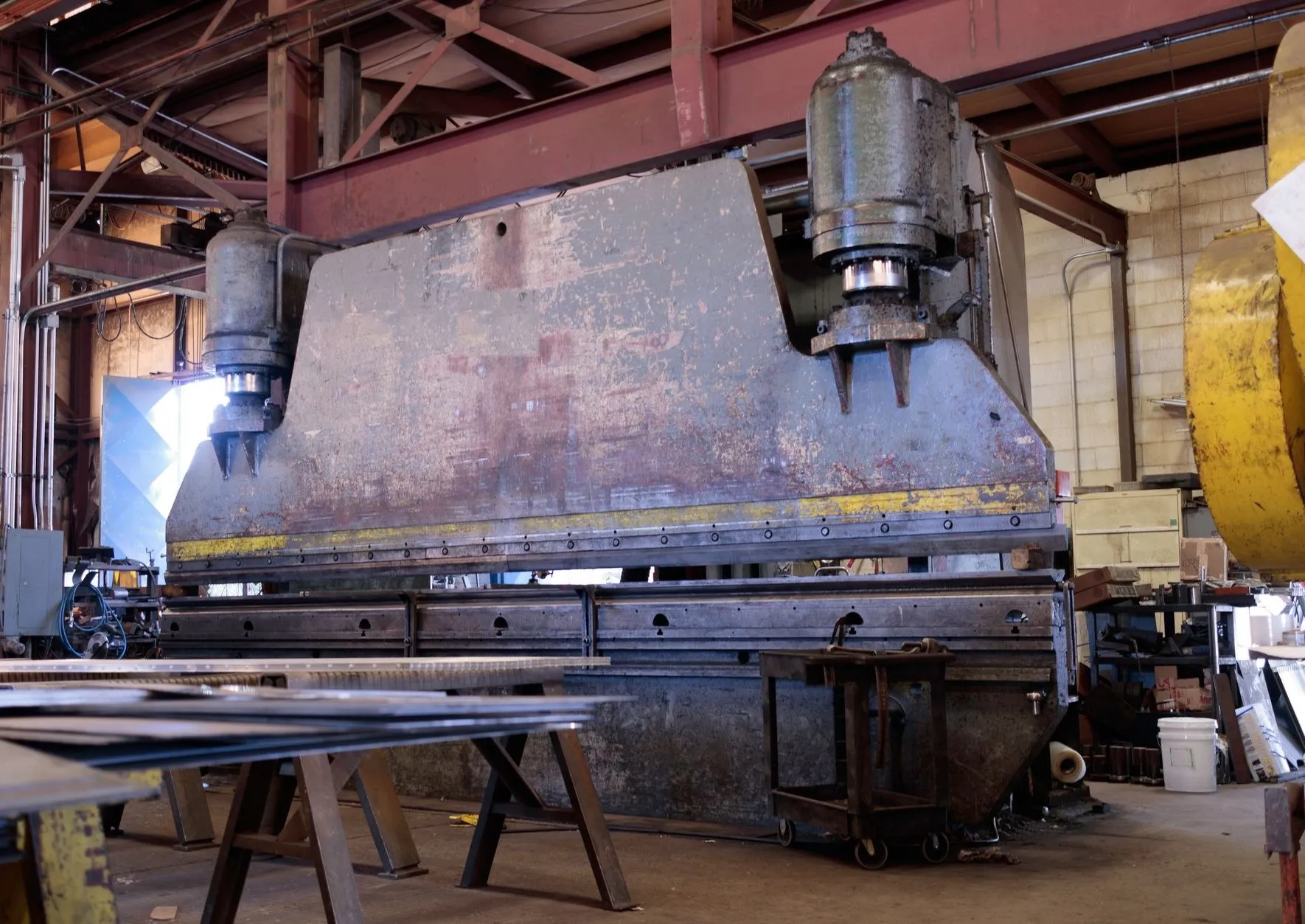
A 160-tonne CNC press brake with a six-axis back gauge. Folds up to 3.2 m in one hit, first-off parts measured before the batch runs.
From £1.20 per bend, plus £35 set-up
7–10 working days
Welding and fabrication
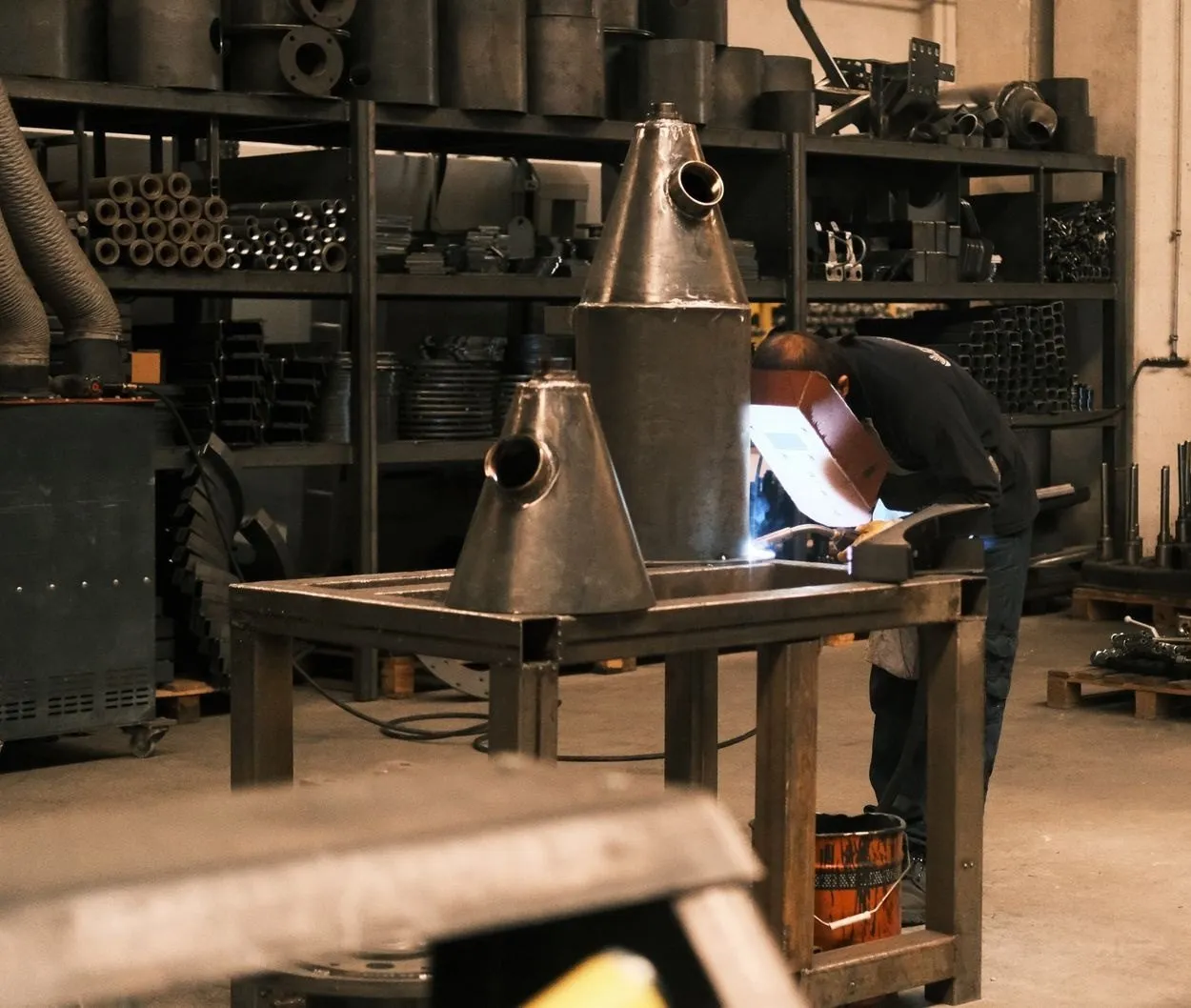
MIG, TIG and MMA in five bays, by welders coded to BS EN ISO 9606-1. Frames, brackets, chassis, tanks and one-off repairs at a £58 an hour shop rate.
From £58 per hour shop rate, £145 minimum
10–15 working days
Structural steelwork
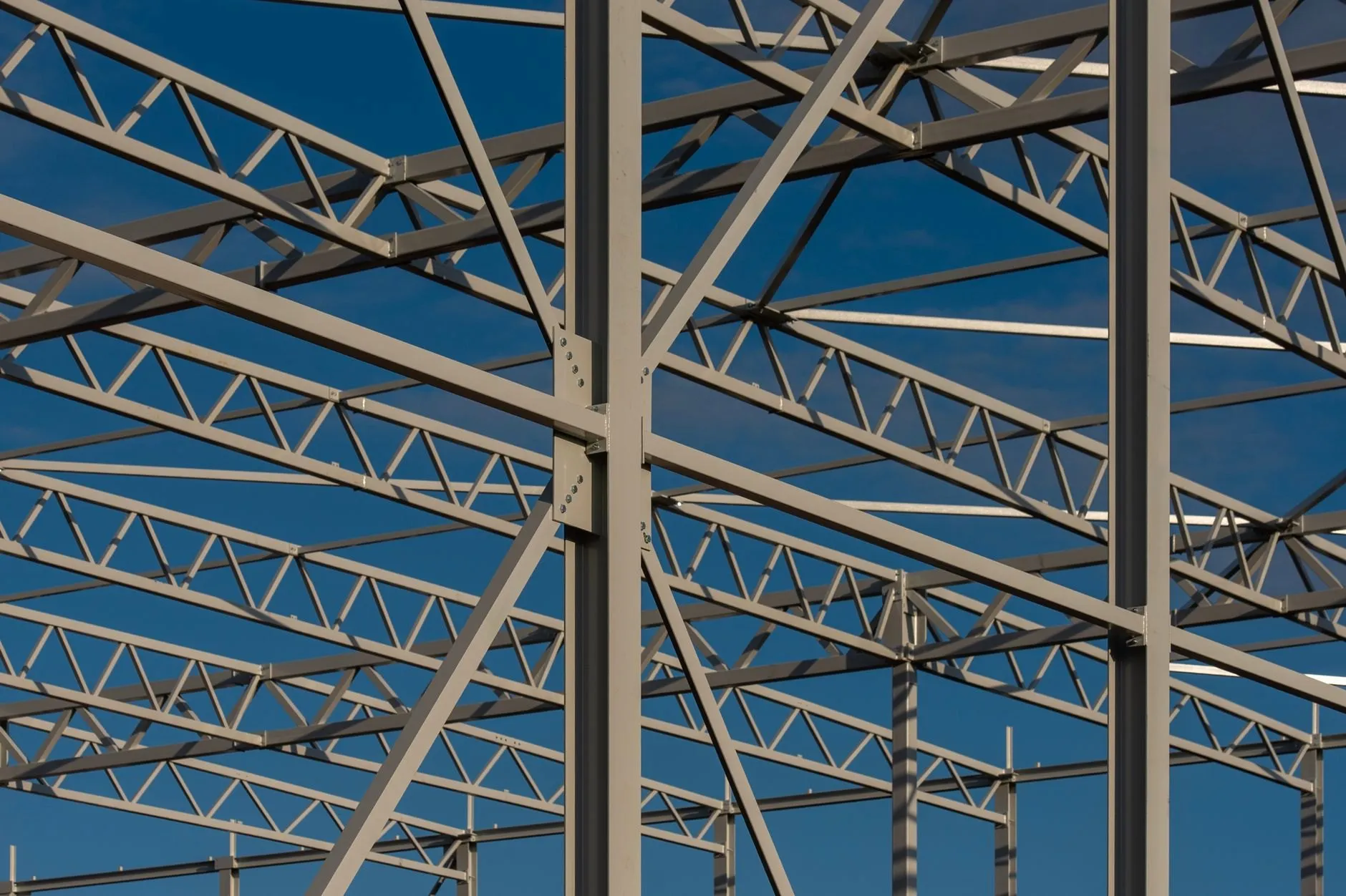
Beams, columns, bracing and baseplates fabricated to BS EN 1090-2 at EXC2, CE marked, blasted and primed, and erected by our own squad.
From £1,650 per tonne, fabricated and primed
15 working days