From £1.20 per bend, plus £35 set-up
Press-brake bending
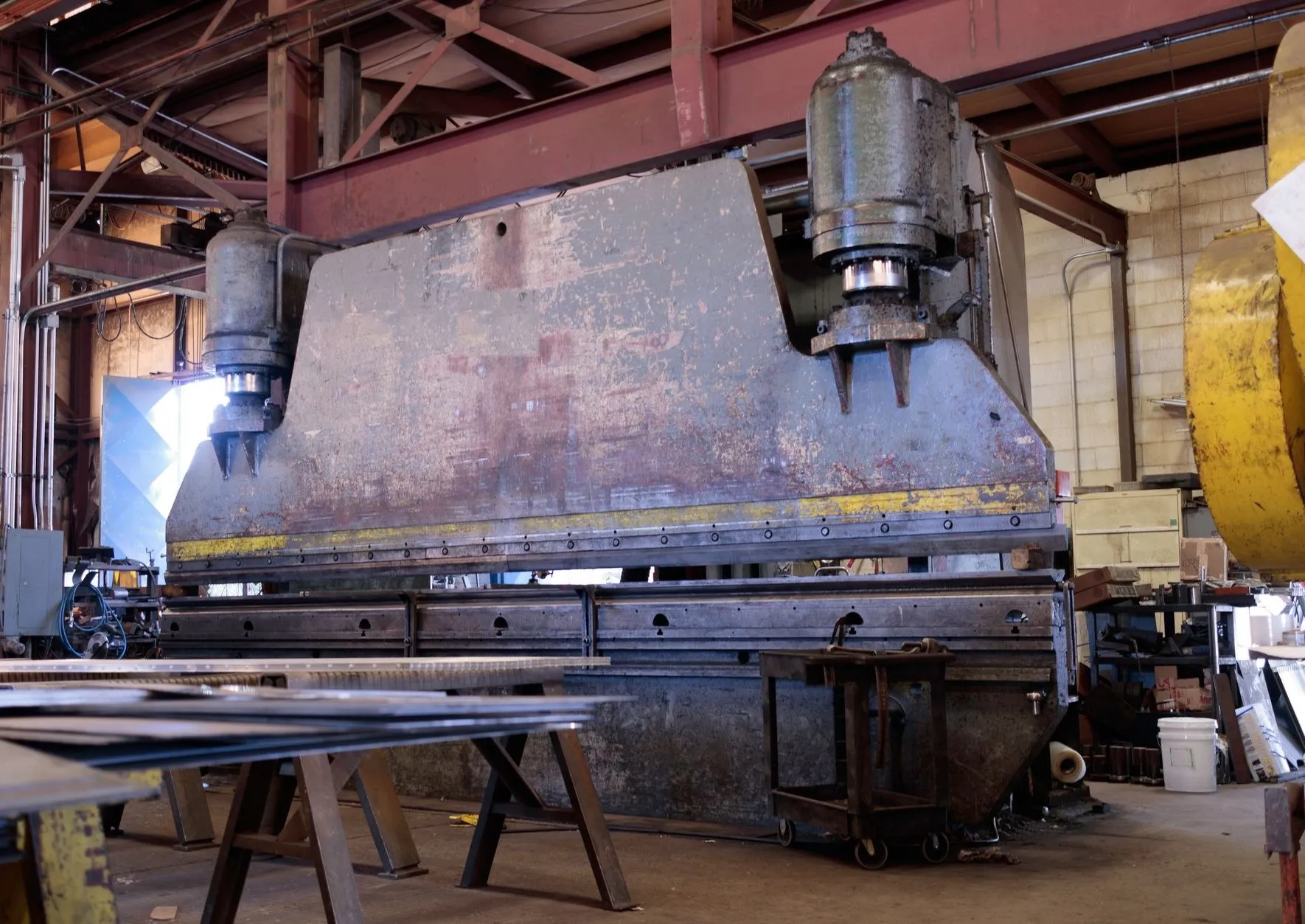
A 160-tonne CNC press brake with a six-axis back gauge. Folds up to 3.2 m in one hit, first-off parts measured before the batch runs.
- Price from
- £1.20
- Lead time
- 7–10 working days
- Quote back
- 2 working days
Specification
What the machines take.
- Machine
- 160 t CNC press brake, six-axis back gauge
- Bend length
- Up to 3,200 mm in one hit
- Mild steel
- To 10 mm at full length, 12 mm at 1.5 m
- Stainless steel
- To 6 mm at full length
- Aluminium
- To 10 mm
- Angle tolerance
- ±0.5°, first-off part measured
- Tooling
- Vee dies 8 to 80 mm, gooseneck and radius punches
How we do it
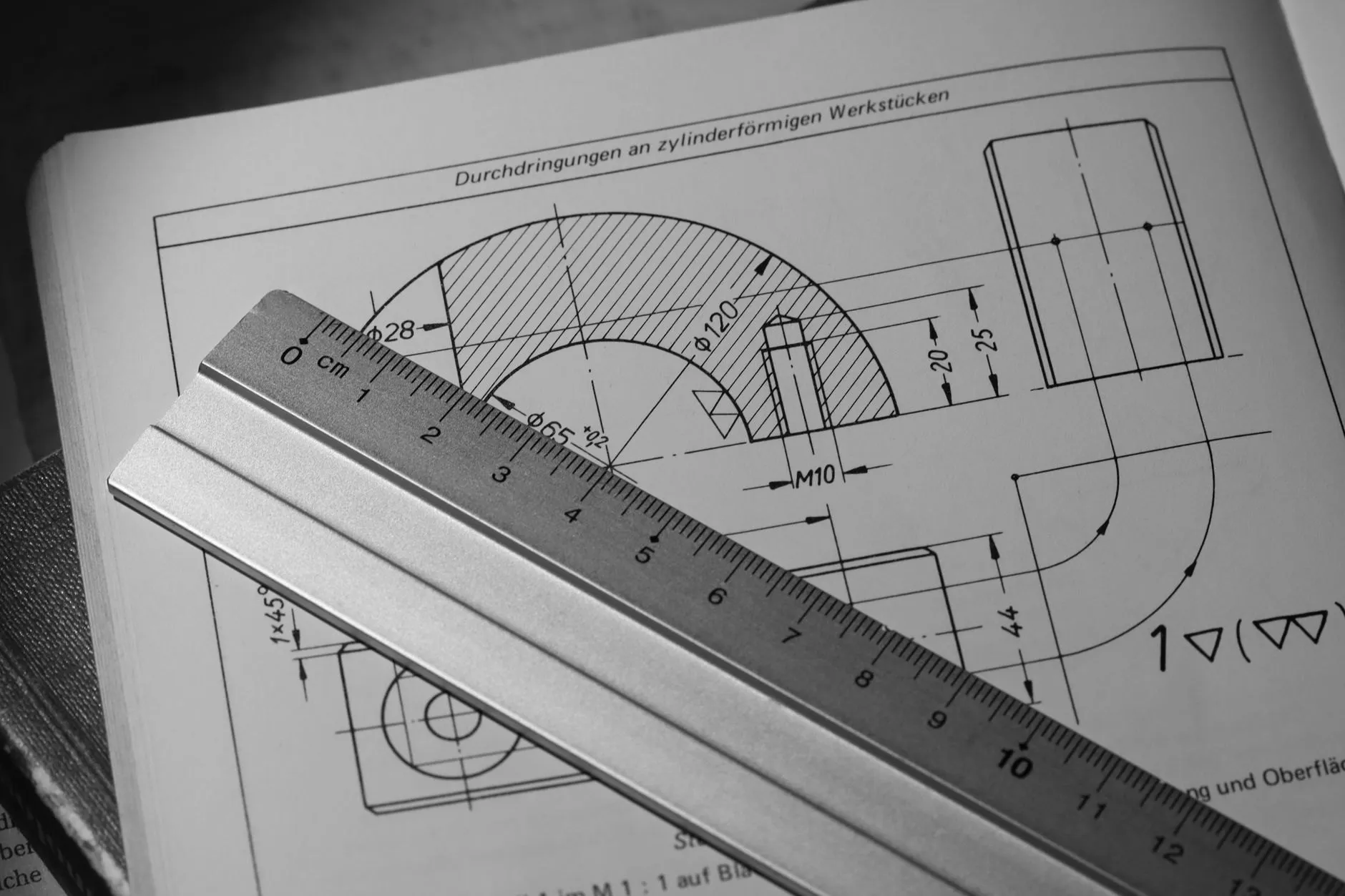
Folding turns a flat blank into a bracket, a tray, a cover or a cladding rail. The brake does the forming, but the accuracy comes from the flat pattern: we develop every part from your model using the bend allowance for the material and tooling we will actually use.
The first part off every batch is measured before the rest are run. Mild steel from two different casts, both certified S275, can come off the same die at angles a degree apart, so we correct on the machine rather than trusting the table.
Parts longer than the 3.2-metre bed are formed in sections, joggled and welded to length in the next bay, then dressed so the joint disappears under the finish.
Included as standard
- Flat patterns developed from your 3D model
- Bend allowance set for your material, not a table
- First-off inspection report on request
- Longer parts joggled and welded to length
“Four hundred laser-cut brackets a month, folded and powder coated, and I have not had to chase a delivery in two years. That is the whole review.”
Questions about bending
Why does my bend angle need a tolerance?
Steel springs back when the ram lifts, and how far depends on the actual yield of the plate, not the grade on the certificate. We measure the first part and correct, but ±0.5° is the honest promise.
What is the smallest flange you can fold?
About four times the material thickness plus the tooling radius. We will tell you at the quote stage if a flange is too short.
Often ordered together
Other services
Laser cutting
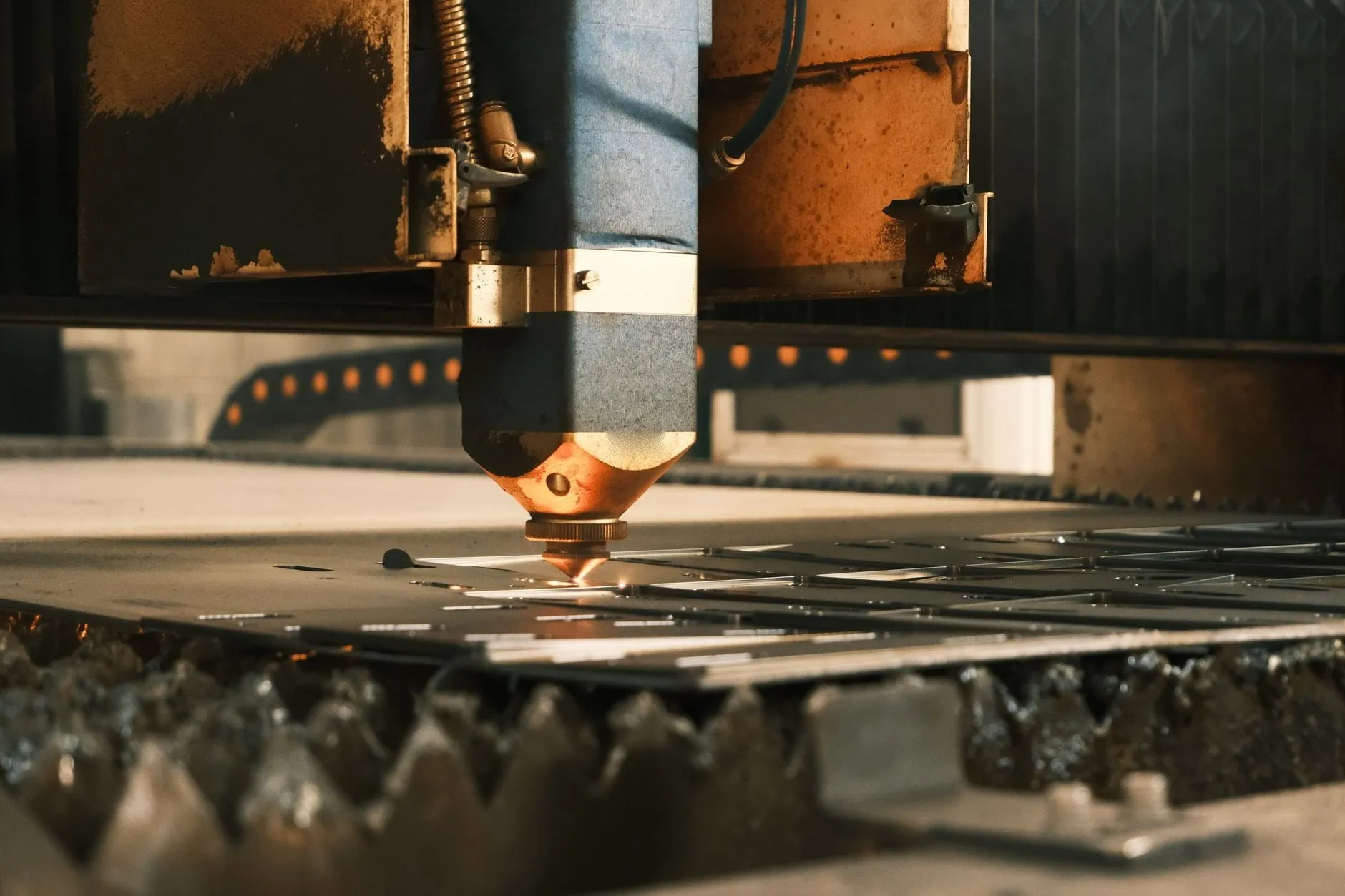
A 6 kW fibre laser on a 3,000 × 1,500 mm bed. Mild steel to 25 mm, stainless to 20 mm, aluminium to 16 mm, cut to ±0.1 mm straight from your DXF.
From £45 per order of simple parts
5 working days
Welding and fabrication
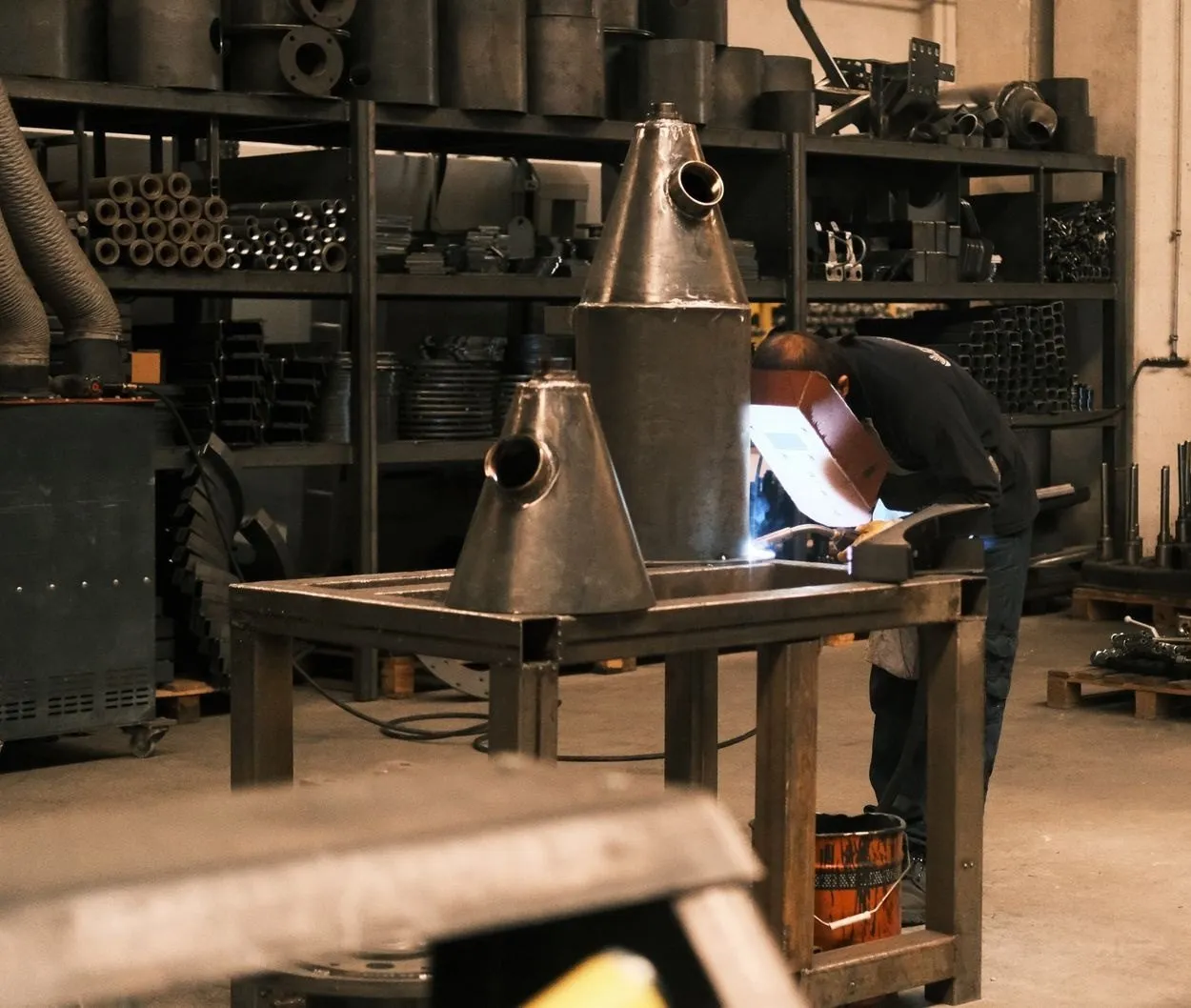
MIG, TIG and MMA in five bays, by welders coded to BS EN ISO 9606-1. Frames, brackets, chassis, tanks and one-off repairs at a £58 an hour shop rate.
From £58 per hour shop rate, £145 minimum
10–15 working days
Structural steelwork
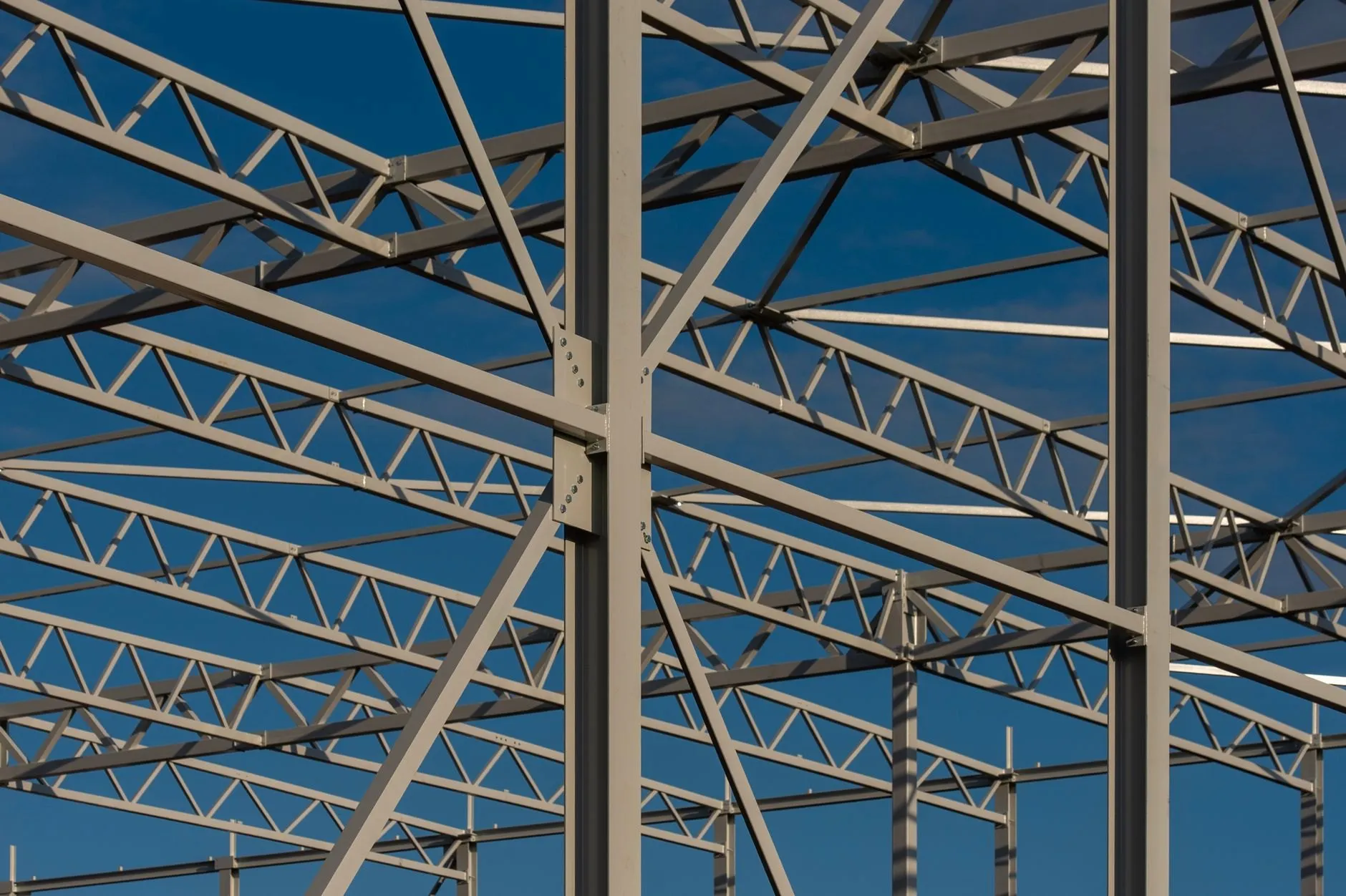
Beams, columns, bracing and baseplates fabricated to BS EN 1090-2 at EXC2, CE marked, blasted and primed, and erected by our own squad.
From £1,650 per tonne, fabricated and primed
15 working days